
Cover-up tattoos require planning, flexibility, and the right design strategy.
This guide explains what makes a cover-up successful, when laser removal helps, and how to avoid common mistakes.
Guide: Booking Your Cover-Up Tattoo
What’s Possible, What’s Not, and How to Plan Yours
Cover-up tattoos require planning, flexibility, and the right design strategy.
This guide explains what makes a cover-up successful, when laser removal helps, and how to avoid common mistakes.
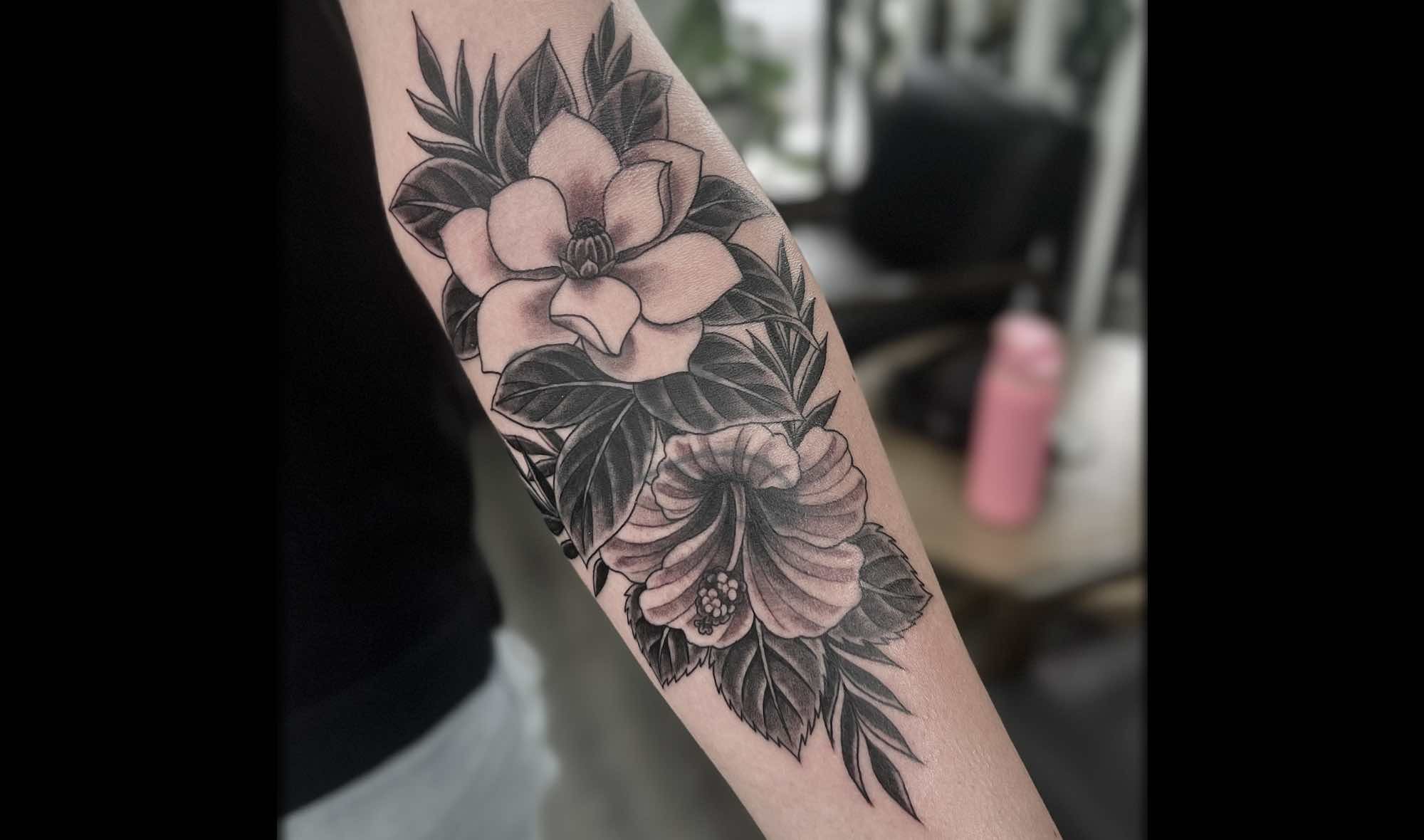
What a Cover-Up Tattoo Involves

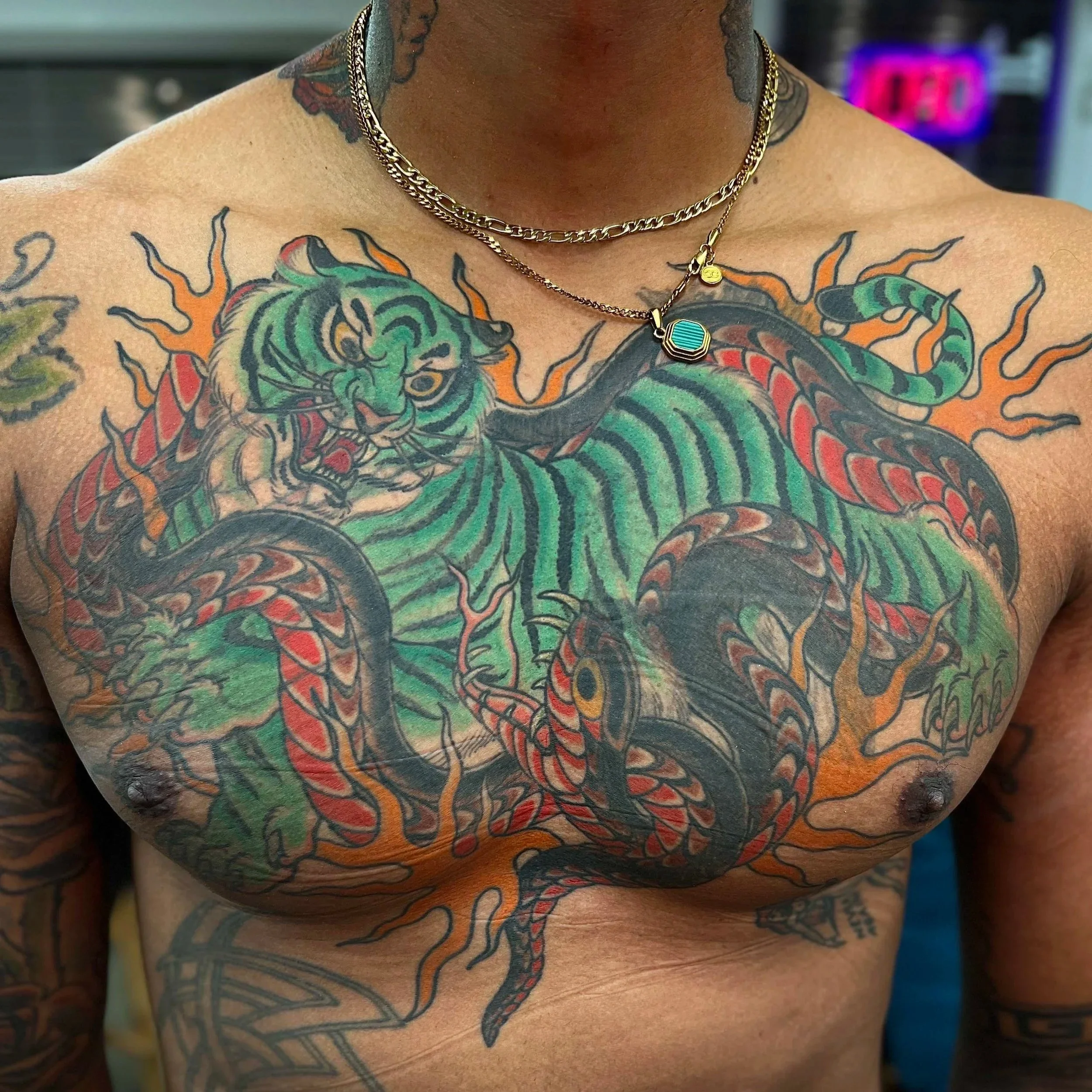
Cover-ups involve strategically replacing old tattoos using shape, contrast, and composition to redirect the eye, rather than simply placing a new tattoo on top.
Successful cover-ups require intentional design. References & concepts are valuable starting points, and flexibility in size and placement is crucial for achieving the best results.
Matching the old tattoo’s size is rarely effective and often results in dark, heavy tattoos that lose detail once healed.
Key Factors That Affect Cover-Up Options
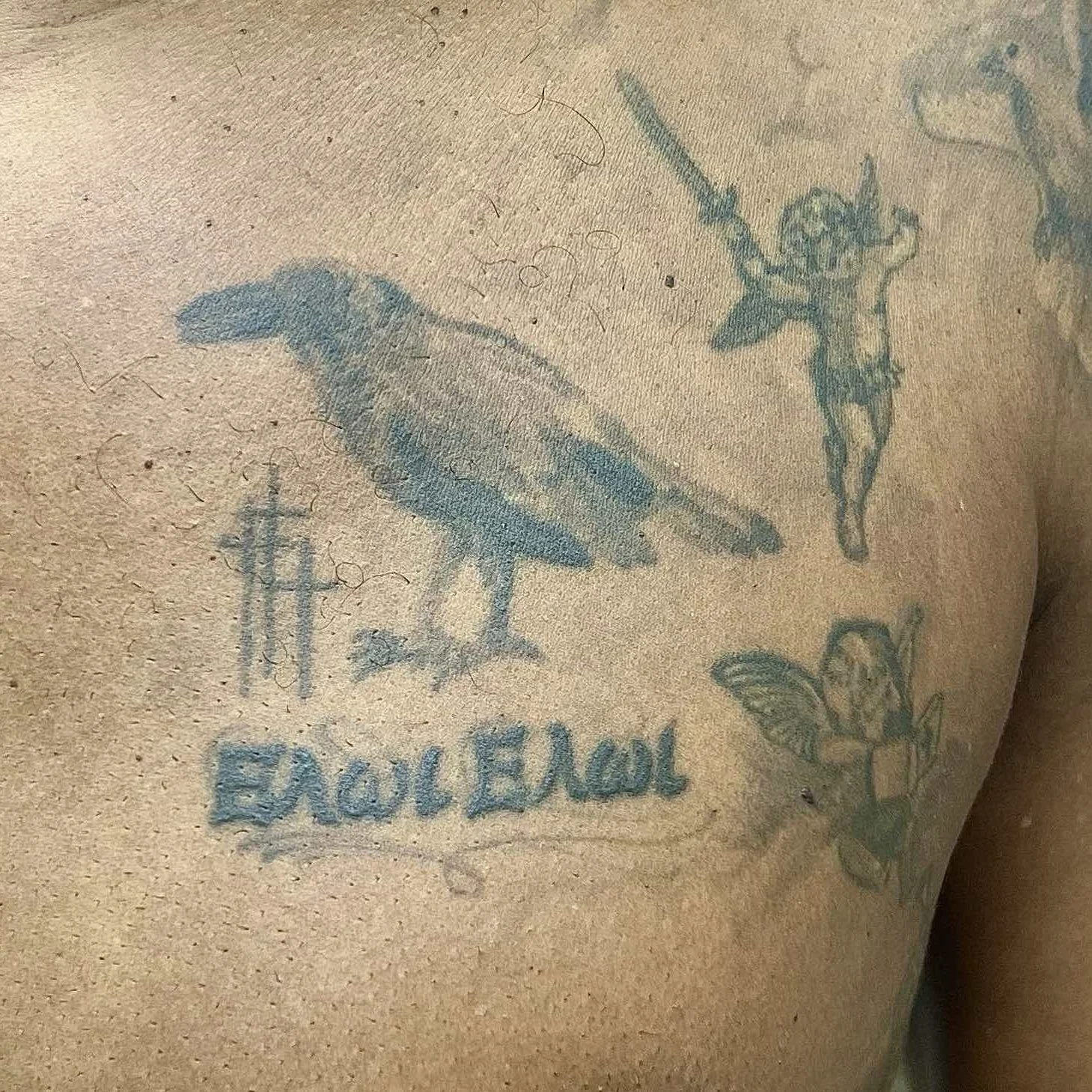
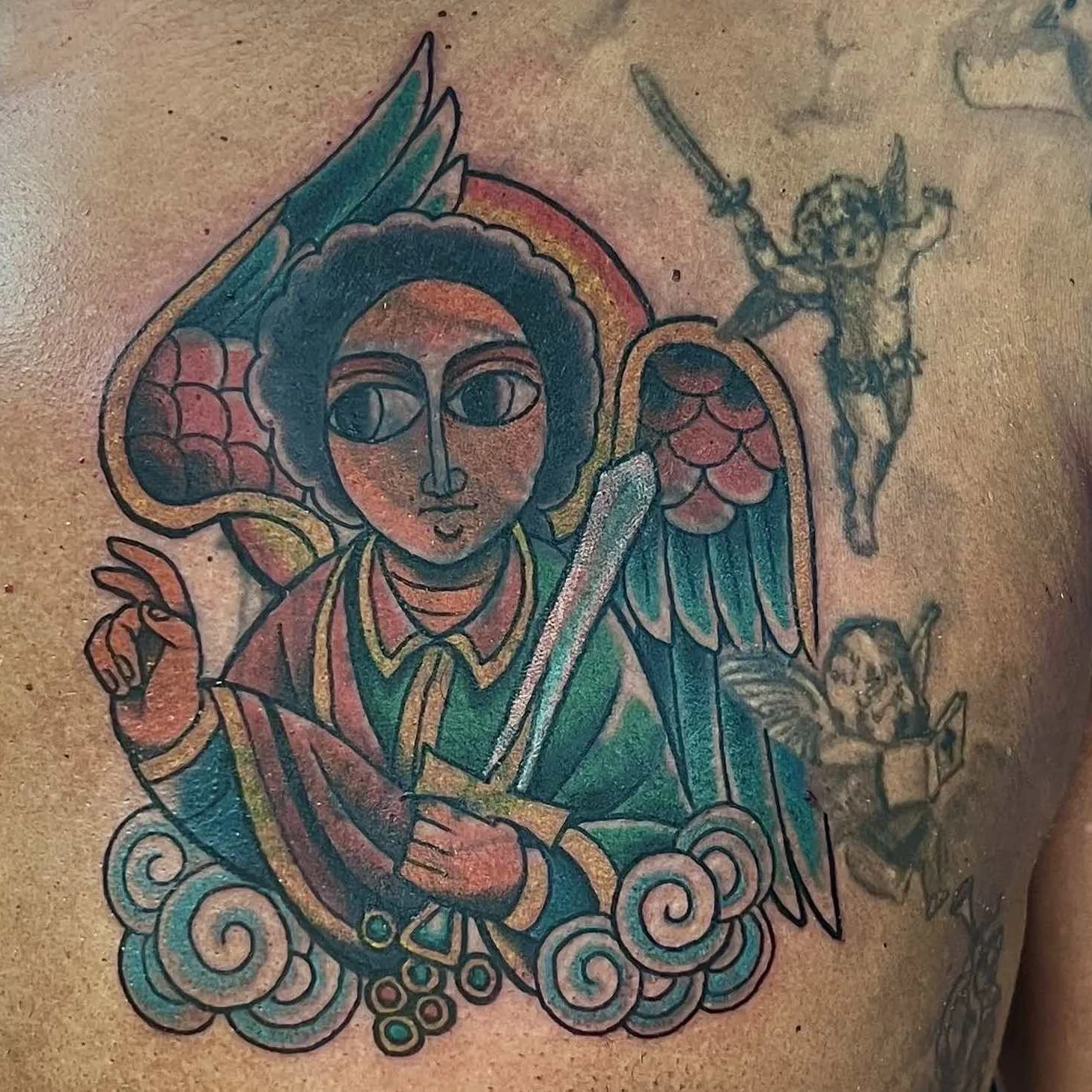
Every cover-up starts with an assessment of the existing tattoo. The most important factors include:
Size: Larger tattoos require larger designs to achieve proper coverage.
Color: large fields of dark pigments such as black, blue, and red limit lighter design options.
Saturation: Heavily packed ink is harder to disguise than faded or lightly applied work.
Age of the tattoo: Older tattoos are often easier to cover than newer ones.
These factors directly influence the design, style, and scale of the new tattoo.
Common Cover-Up Tattoo Myths
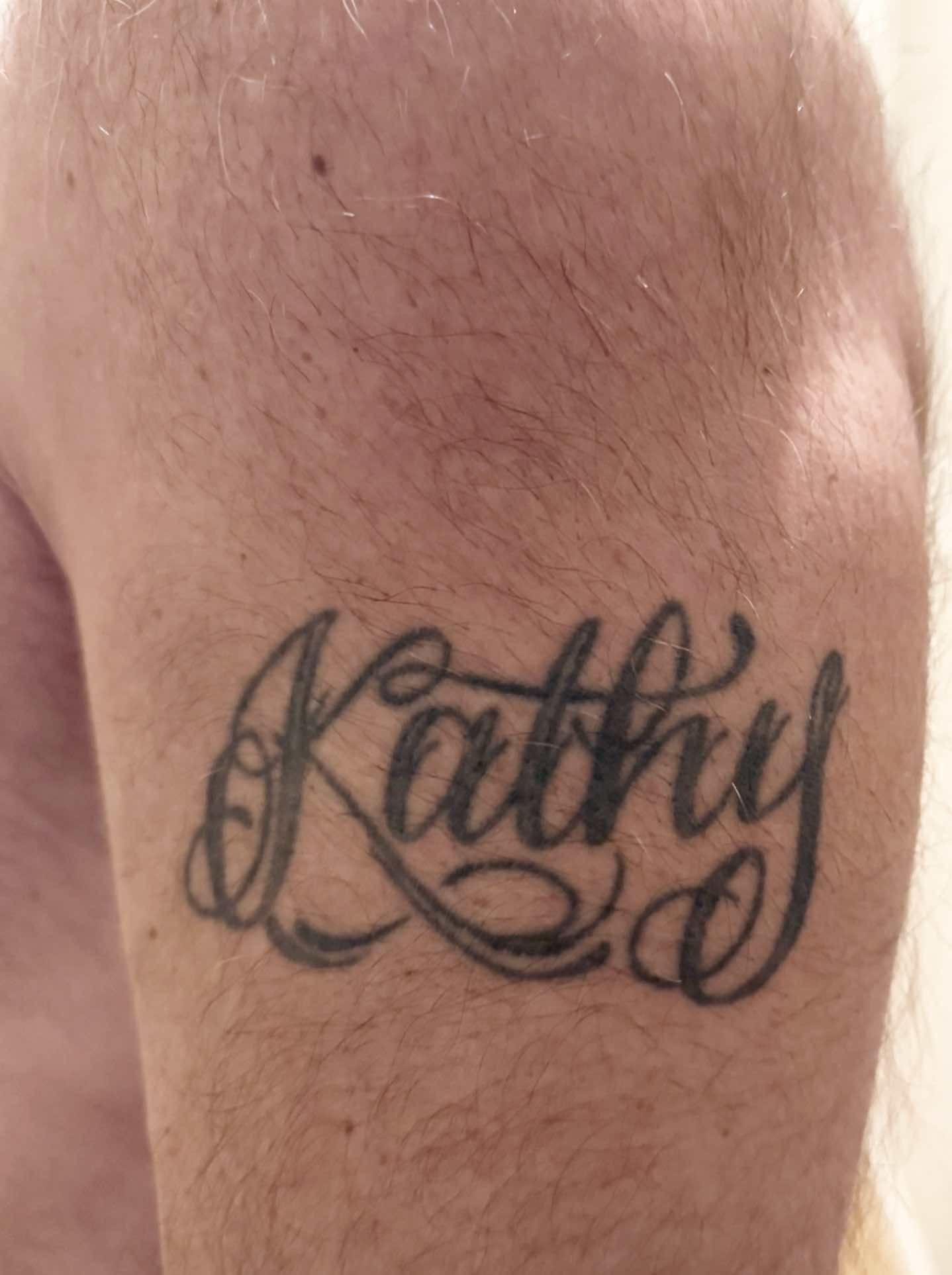
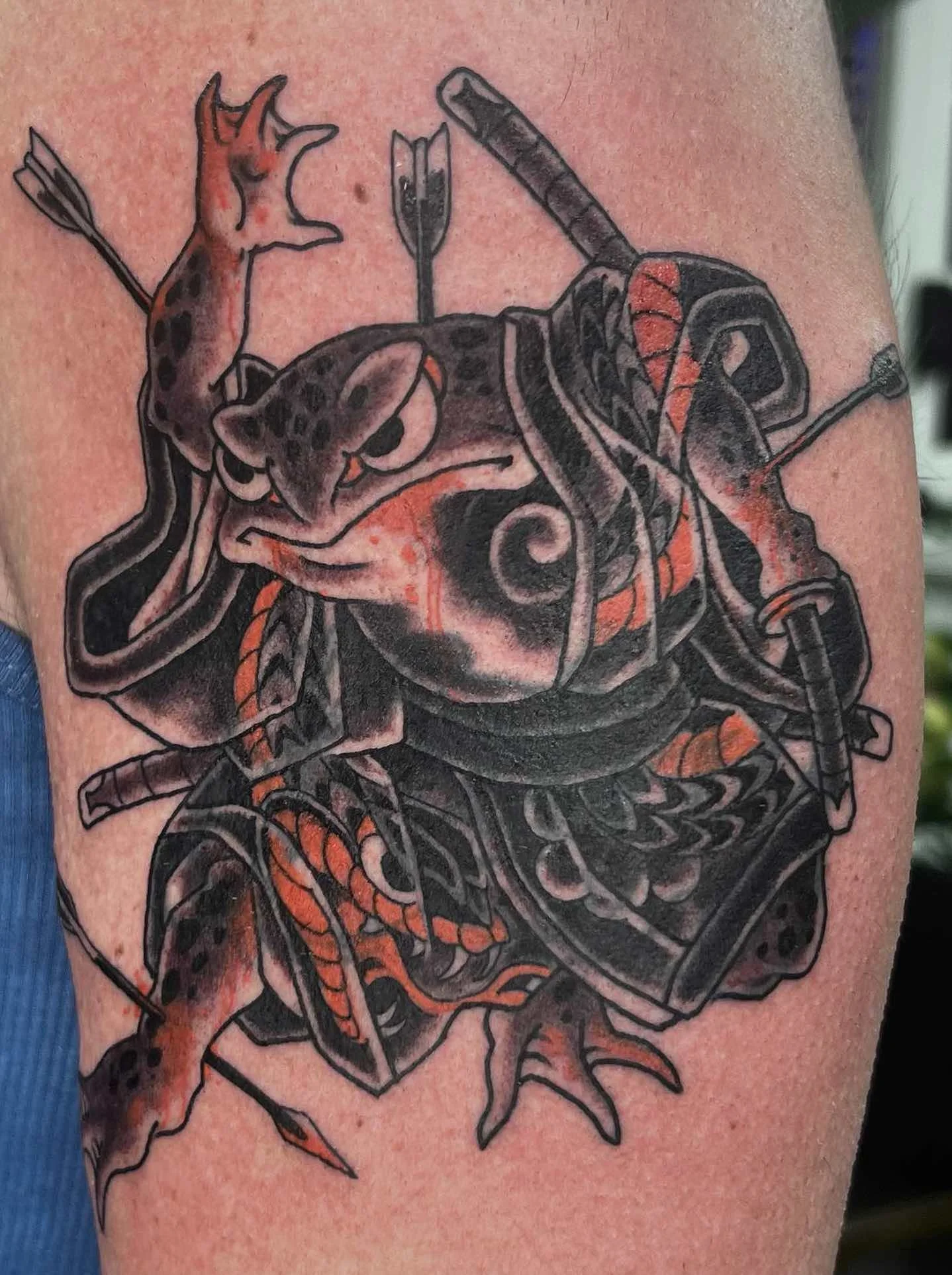
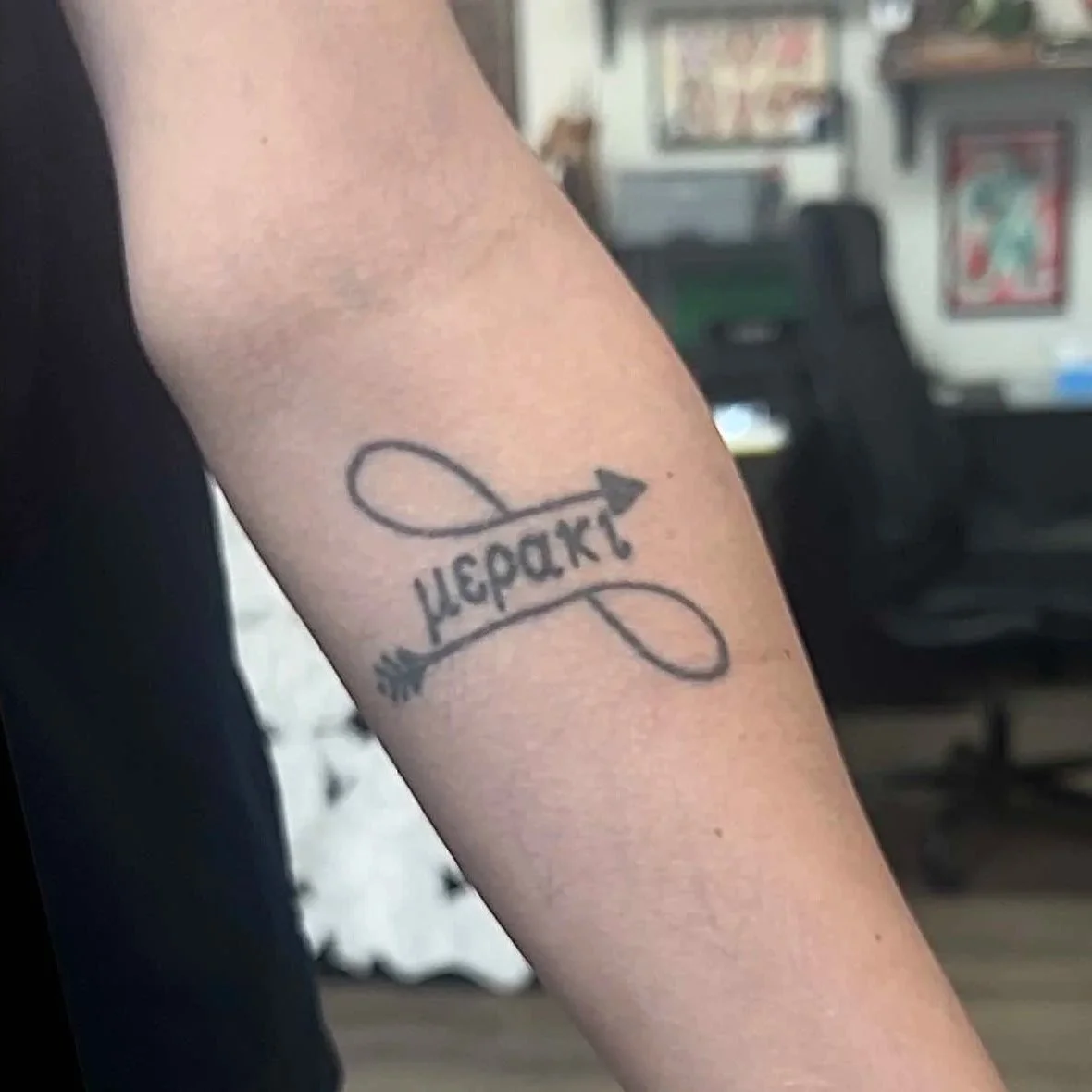
Many cover-up requests are based on unrealistic assumptions. The most common misconceptions include:
A new tattoo can be the same size as the original
Light colors can hide dark ink
Fine-line designs work well for cover-ups
Any style can be used regardless of the original tattoo
Successful cover-ups rely on structure, contrast, and flow. Subtle designs rarely achieve lasting results.
How Cover-Up Designs Are Built
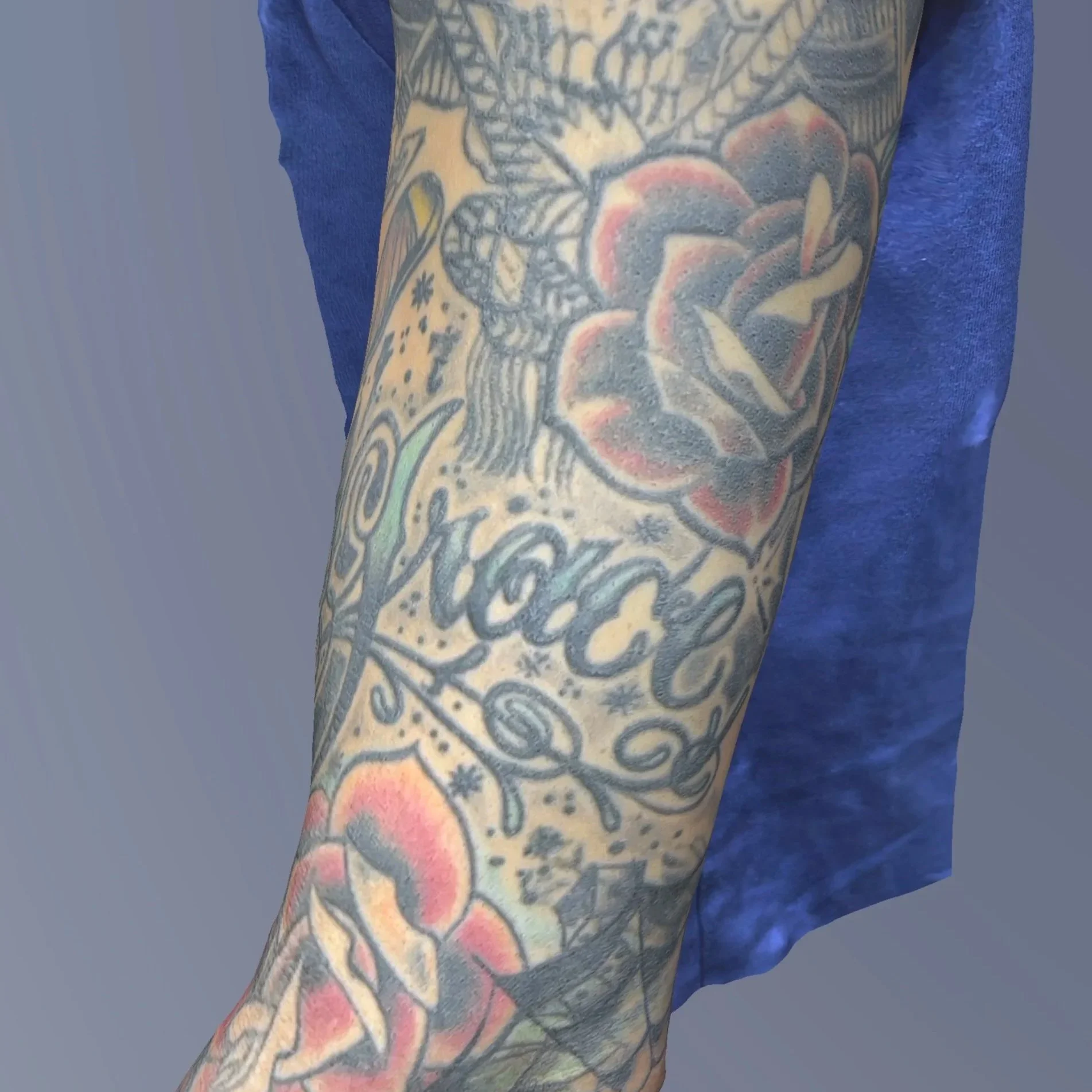

Cover-up tattoos are designed around visual dominance. This means using bold linework, solid shading, and layered elements to redirect attention away from the old tattoo.
In many cases, this results in:
Larger compositions, like half or full sleeves
Bolder subject matter
Strategic use of background elements
Higher contrast designs
The goal is not to match the existing tattoo’s size, but to create a stronger, more intentional piece that reads clearly over time.
Styles That Work Best for Cover-Ups


Some tattoo styles perform better for cover-ups due to their structure and contrast.
Styles commonly used include:
Japanese and Irezumi-inspired work
Traditional and Neo-Traditional
Illustrative and manga panel designs with strong line weights
Designs with backgrounds such as waves, clouds, or texture
Minimalist, fine-line, or highly delicate styles are rarely effective for cover-ups.
Why Cover-Ups Often Require Larger Designs
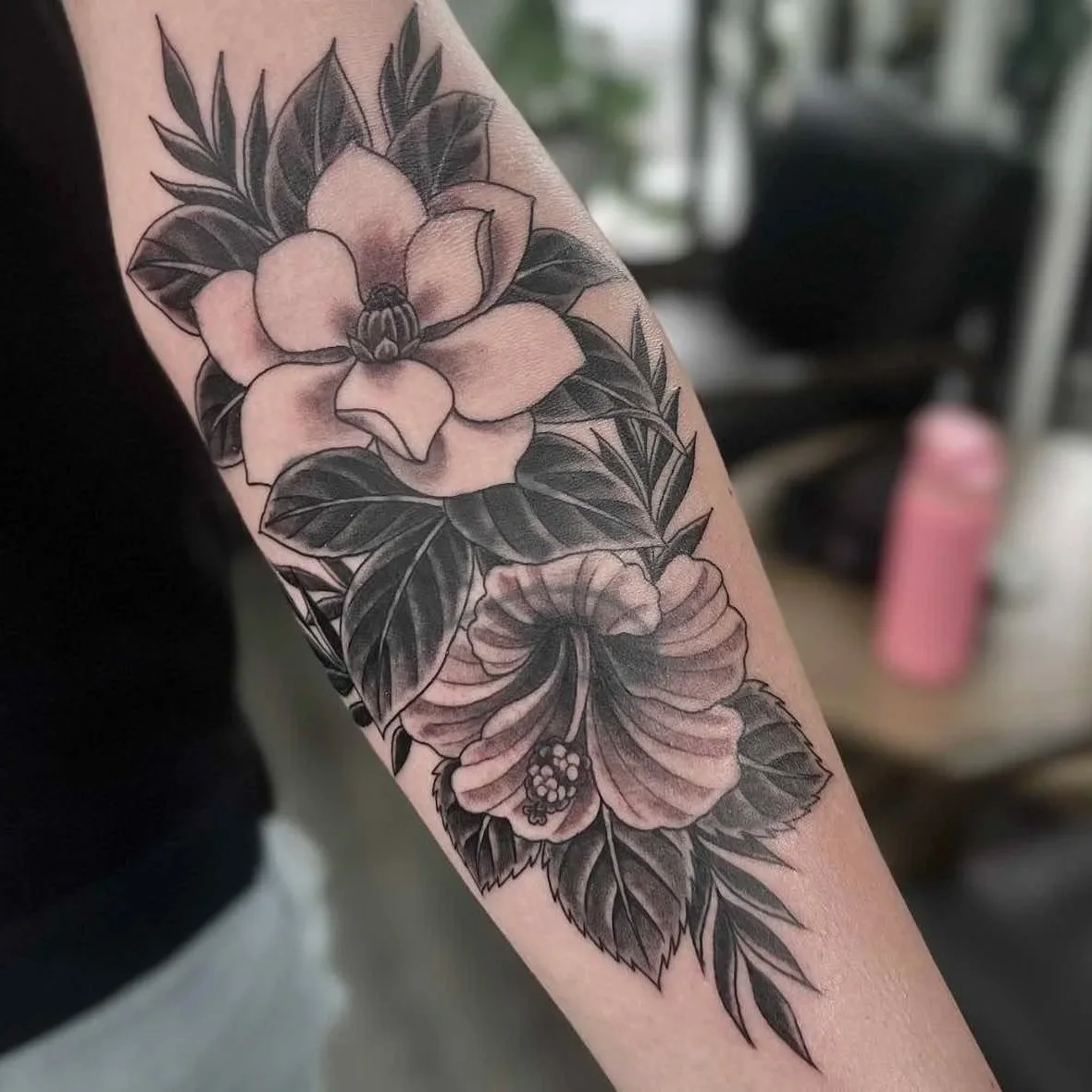
Cover-ups frequently need to extend beyond the original tattoo to break up its edges and soften visibility.
This may mean expanding into surrounding areas or committing to a larger composition than initially planned.
This is not a compromise in quality. It is a necessary step to achieve a clean, readable result that lasts.
What Happens After I Submit the Cover-Up Booking Form?
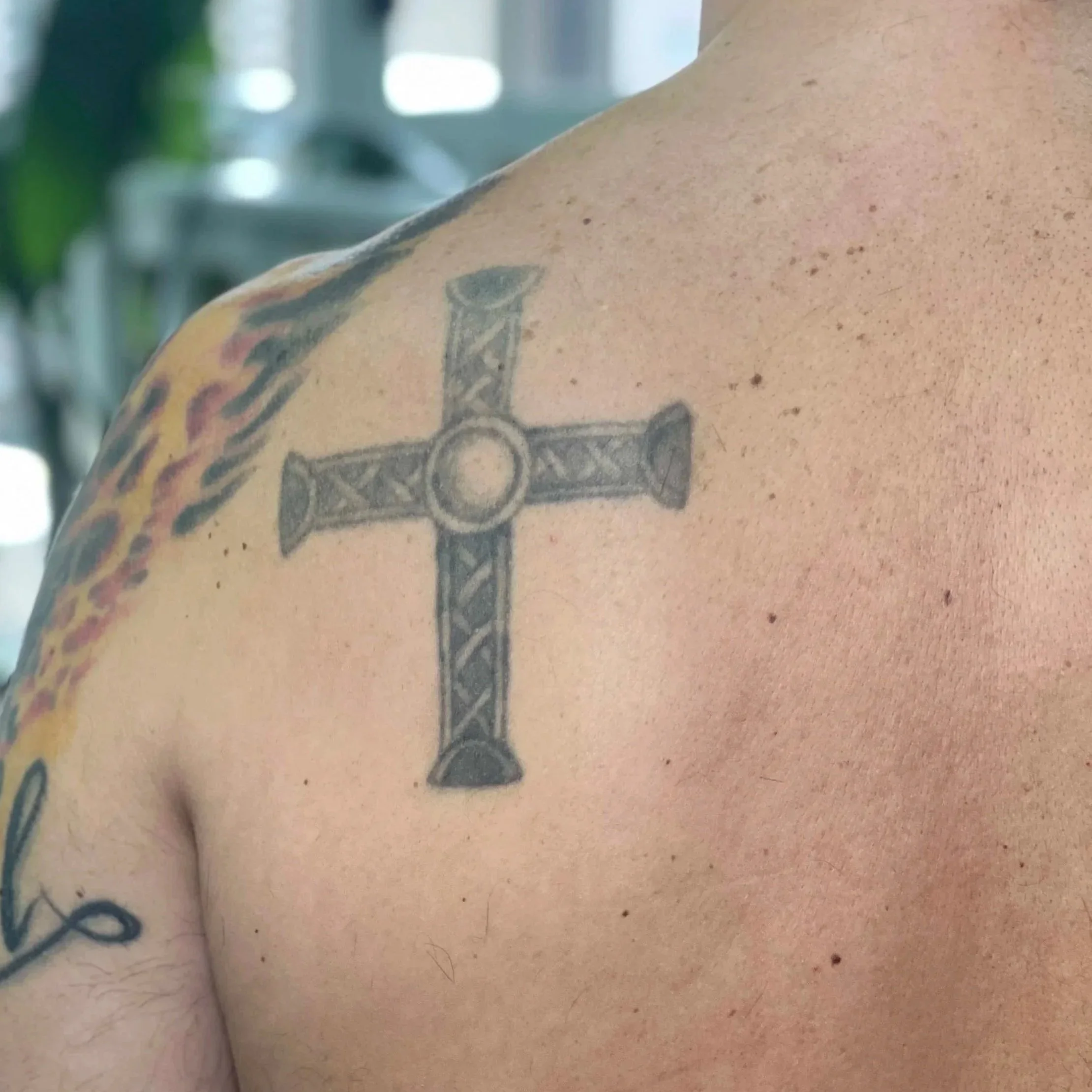
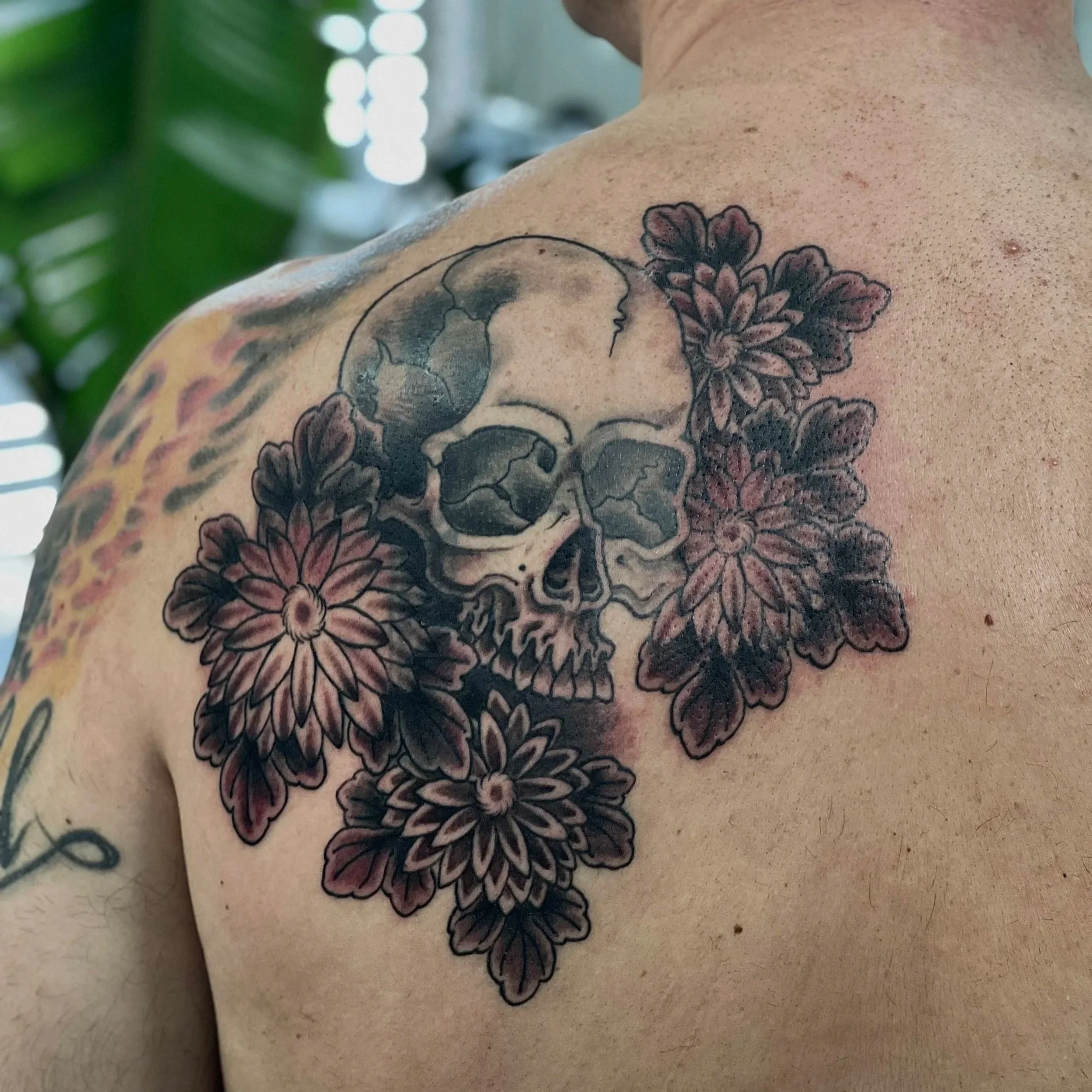
Cover-up tattoos are reviewed before booking. This review considers feasibility, design options, and whether the project aligns with the studio’s approach.
Not every request is approved. This ensures time is spent on projects that can be executed well and responsibly.
Requests typically require:
Clear photos of the existing tattoo
An idea of desired subject matter
Openness to design recommendations
Ready to Move Forward?
If your tattoo fits the criteria outlined above and you’re comfortable with the design considerations involved in cover-up work, you can request a cover-up appointment at Lightwork Tattoo.
All requests are reviewed before booking to ensure the project is feasible and aligned with your goals.